
Suikoden II
Release Date - December 17, 1998 (JP)
Developer - Konami Computer Entertainment Tokyo
Publisher - Konami
Platform - PlayStation
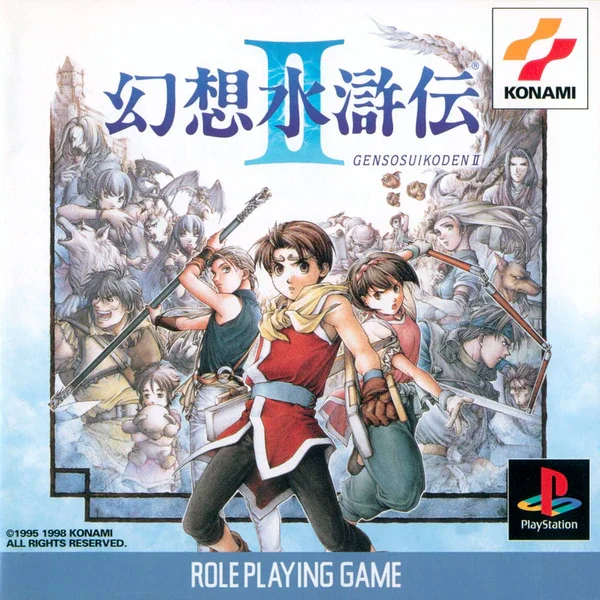
In 1995 the PlayStation was graced with the release of Suikoden, a lovingly created RPG centred around a young boy’s attempt to unite 108 warriors (the 108 Stars of Destiny) to bring about peace for his homeland. 1998 would see the release of Suikoden II, a game that built on all the great ideas of the first game as players once again would embark on a truly epic adventure to unite the 108 Stars of Destiny once more.
Suikoden was notable for the huge amount of recruitable characters, which was inspired by director Yoshitaka Murayama’s reading of manga such as Captain Tsubasa and the classic Chinese novel Water Margin. It was also a standout amongst other RPG peers on the PlayStation for combining three types of combat system (single combat duels, turn based party combat and grand scale army battles) making for a unique gameplay experience. It was of course, all tied together with an exceptionally engrossing story.
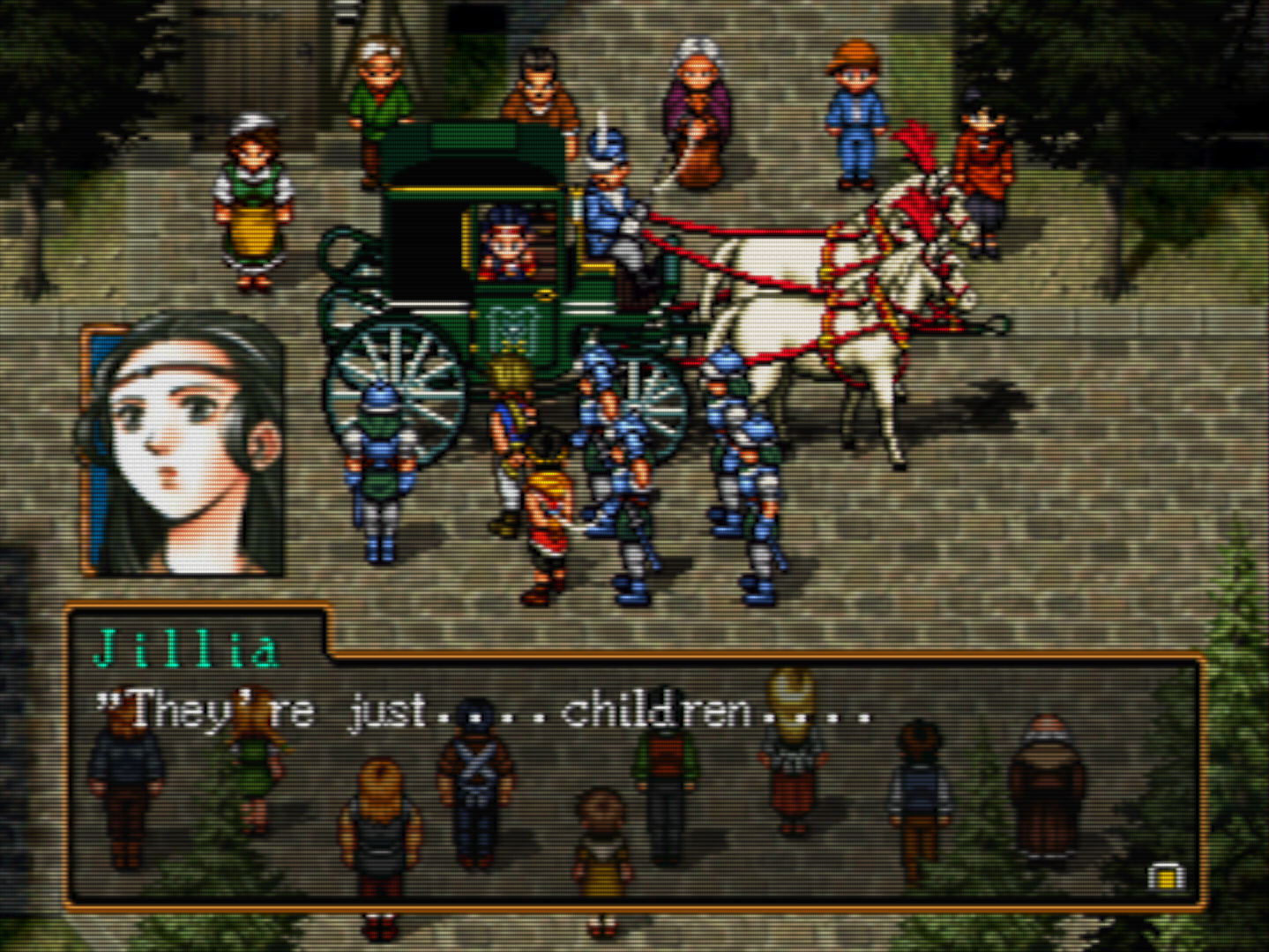
It’s amazing what they can do with the tiny, yet detailed character sprites in this game.
Suikoden II therefore had some large shoes to fill. Not only did it have to live up to the lofty expectations created by the original game, but the PlayStation had since seen the release of another very iconic JRPG, the wildly successful Final Fantasy VII (1997). Thankfully, Suikoden II more than delivered on the high expectations.
Taking place two years after Suikoden, the village of Jowston finds itself in the middle of a war, being invaded by the Kingdom of Highland. Initially the player character, (Riou by default), is joined by his childhood friend Jowy Atreides. These two boys are linked by fate, and destined to decide the fate of the land. What starts as an intimate and small party of characters will soon grow into something much larger.
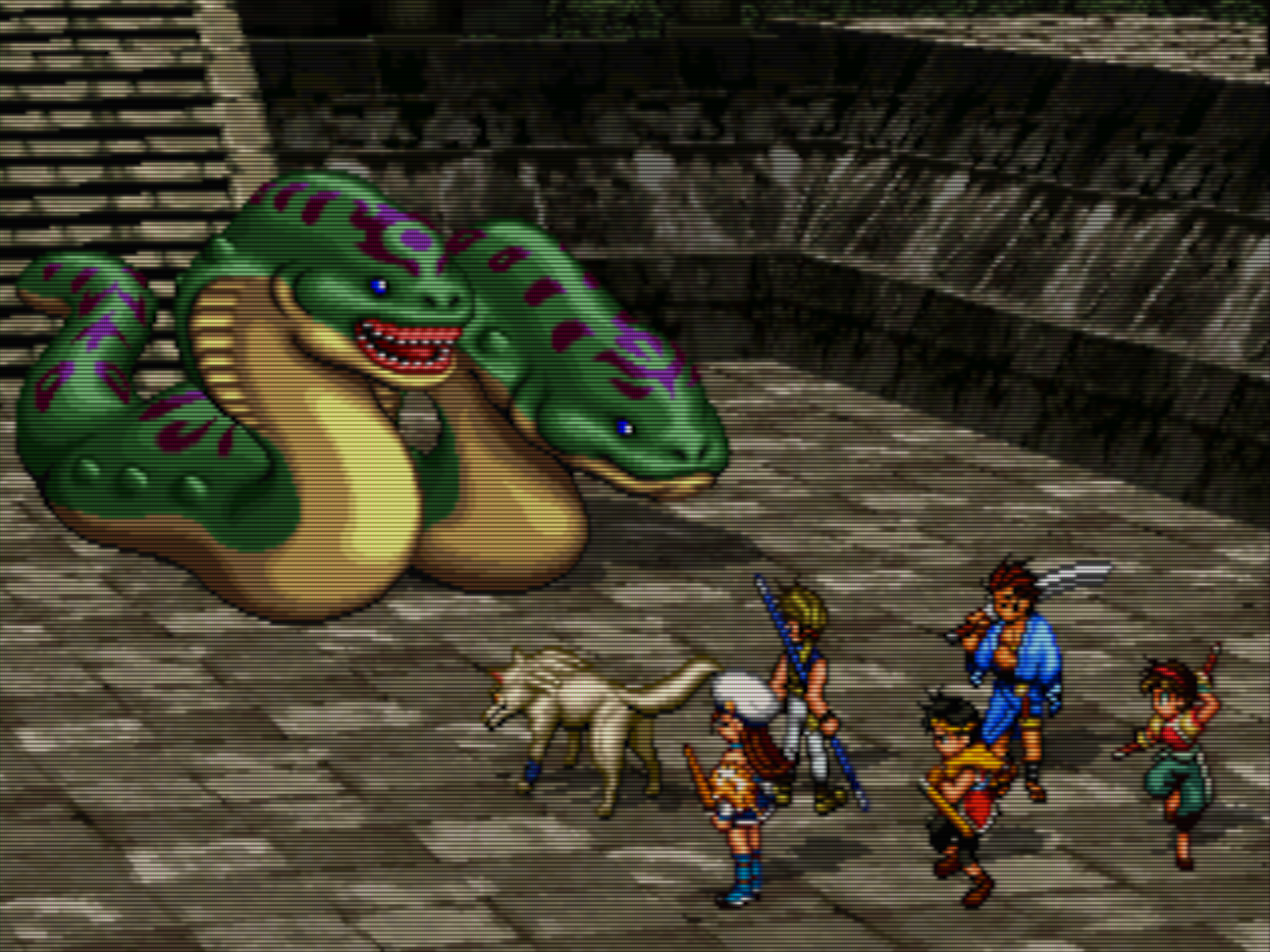
Choose your team-mates carefully for the dungeons and party battles.
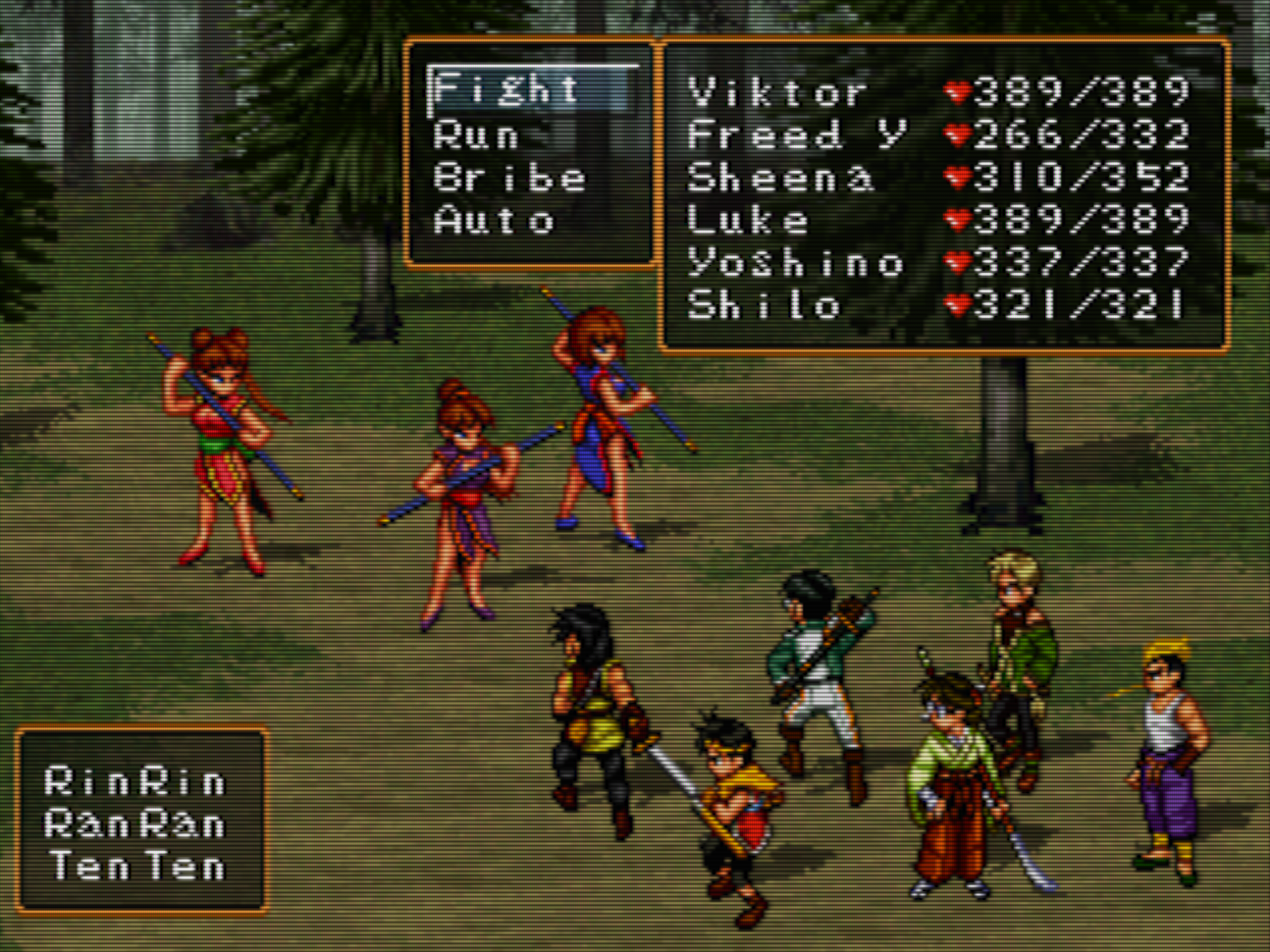
Suikoden II brings back the three basic gameplay styles from the previous game. The most familiar to JRPG players would be the standard battles; taking place with up to six party members at a time. The player has the usual options in a turn based setting to attack, cast magic, use items and the like. There are a wide range of unlockable skills to master, some of which are unique to certain characters and others can be assigned via the use of ‘Runes’. These range from special attacks to things like healing or buff/debuff effects. Perhaps most interesting though is the ‘Unite’ attacks. As you recruit more party members, you’ll find that certain characters can unite with others to perform a manoeuvre. Multiple characters can be involved in these, so trying different combinations for a party make-up is very rewarding when you find new Unite attacks. Some of these can be extremely helpful in beating tough groups of enemies or bosses, so it pays to experiment and try out all your different party members. The good news is that lower level members will level up faster, in a way ‘sharing’ experience with the higher level members, so you never quite feel like a potential party member is left behind by being under-levelled.
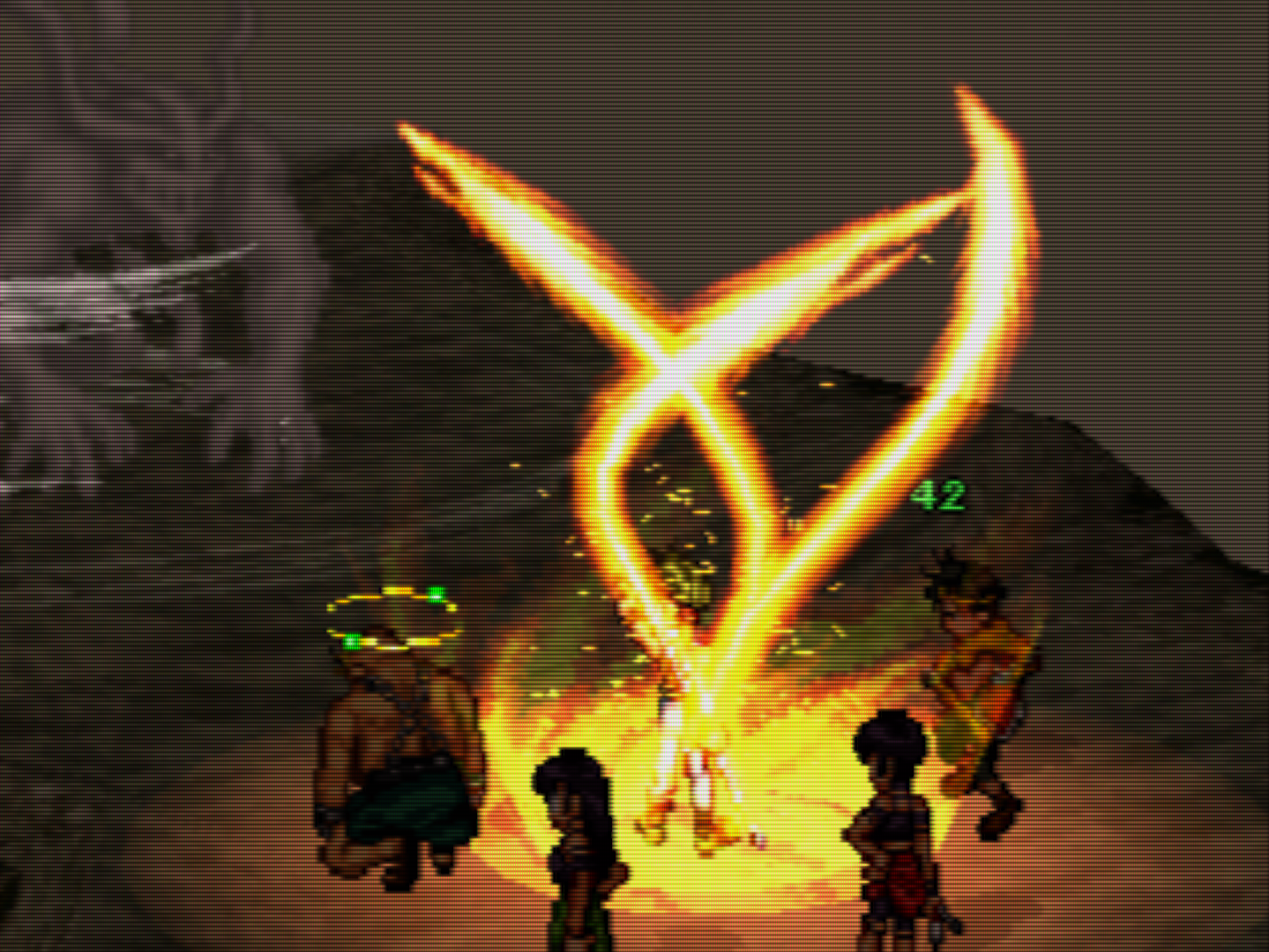
Stronger characters can help level up weaker characters, leave no man behind!
With such a huge amount of recruitable party members, as well as the ability to customise their abilities with runes and Unite attacks, there are a lot of potential combinations to make up a party of six. Players will find themselves with go-to party builds for fighting groups, or for fighting bosses, or just experimenting with different combinations as you unlock more characters.
The second type of combat is ‘Duels’; as the name implies, these are one-on-one fights with Riou and a sole opponent. These play out somewhat similar to a ‘scissors, paper, rock’ style game, where you must divine the opponent’s next move via their mannerisms and dialogue, and then counter it with the appropriate response. It’s relatively simple, but very high stakes. It’s fun to read the opponent’s dialogue and work out what their next move will be. Choosing the right counter leads to big damage, but at the same time making the wrong choice can very quickly lead you to losing and facing a Game Over screen. These battles are somewhat sparse and reserved for major confrontations, and the presentation is top notch with some very cinematic and dramatic visuals.
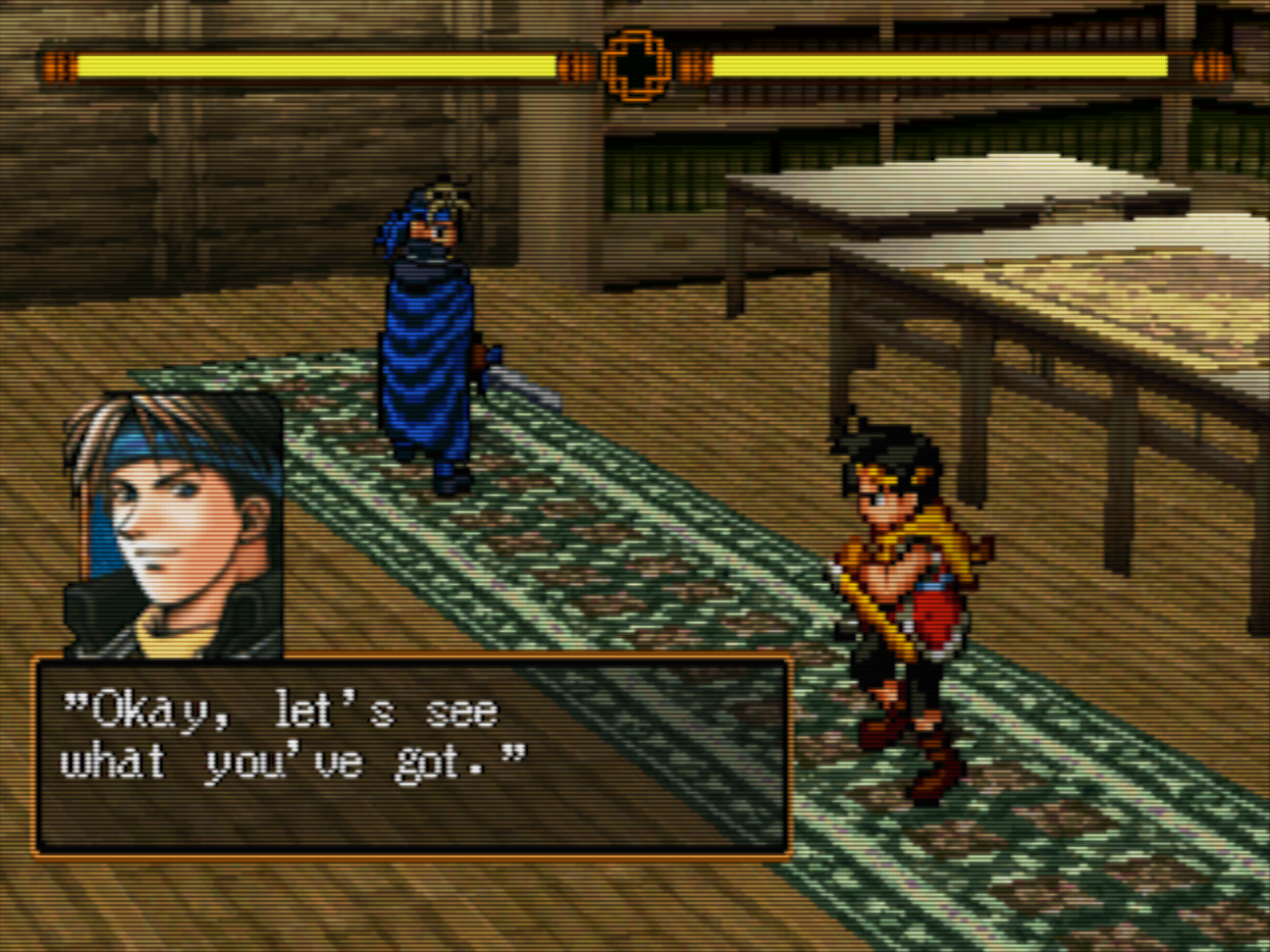
Players of the first Suikoden will recognise some familiar faces.
Finally are the ‘Mass Battles’; this is a gameplay segment that saw a big improvement and expansion from the first game. These are large scale battles that now play out somewhat similar to Strategy JRPG titles like Fire Emblem or Shining Force series (in the original Suikoden, these army battles were much simpler with no positioning or map screens). Players this time must position multiple units of troops on a grid map, each unit having different movement and attack ranges, as well as many having unique effects depending on which characters are leading that group. Different units have different strengths and weaknesses, and certain units will counter others (for example, cavalry is a strong counter to archers). It makes for a very different pace and experience to the usual party based combat, and the stakes feel much higher with thousands of troops under your command.
These three gameplay modes ensure a rich experience and varied gameplay that elevates Suikoden II above most of the similar RPGs of the era.
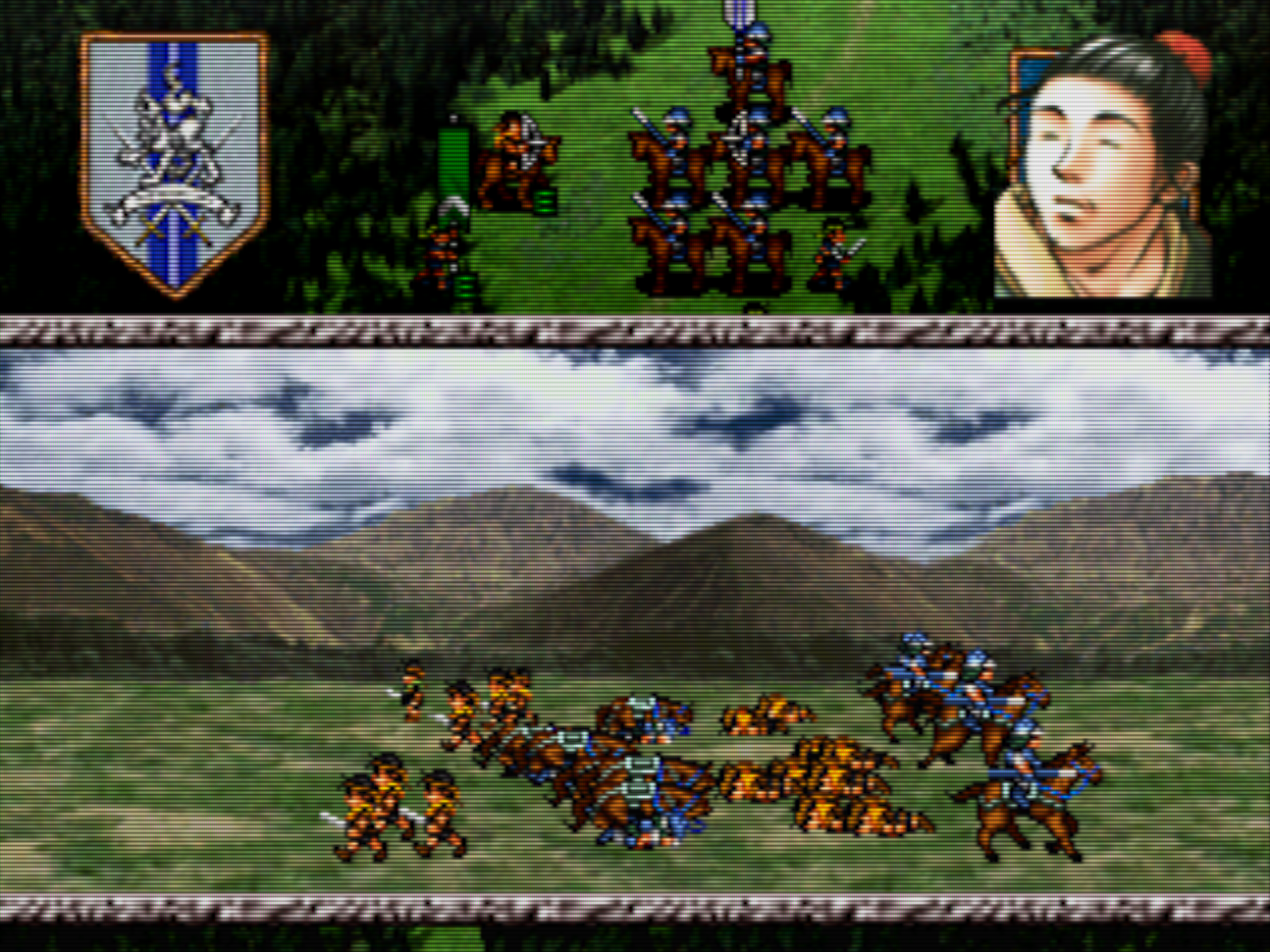
The right units and captains will make all the difference in the pitched battles.
Much like the first game, a significant part of the story (and the appeal!) is the goal of gathering over 100 potential characters to your cause (partly inspired by Water Margin, the classic Chinese novel centred around 108 bandits uniting to fight the authority). Through the course of the game, you’ll begin to build your headquarters and a large standing army, and recruiting more of the 108 Stars of Destiny will have a big impact. These new features are introduced very gradually, and the slow build really adds to the feel of growing a powerful army from humble beginnings.
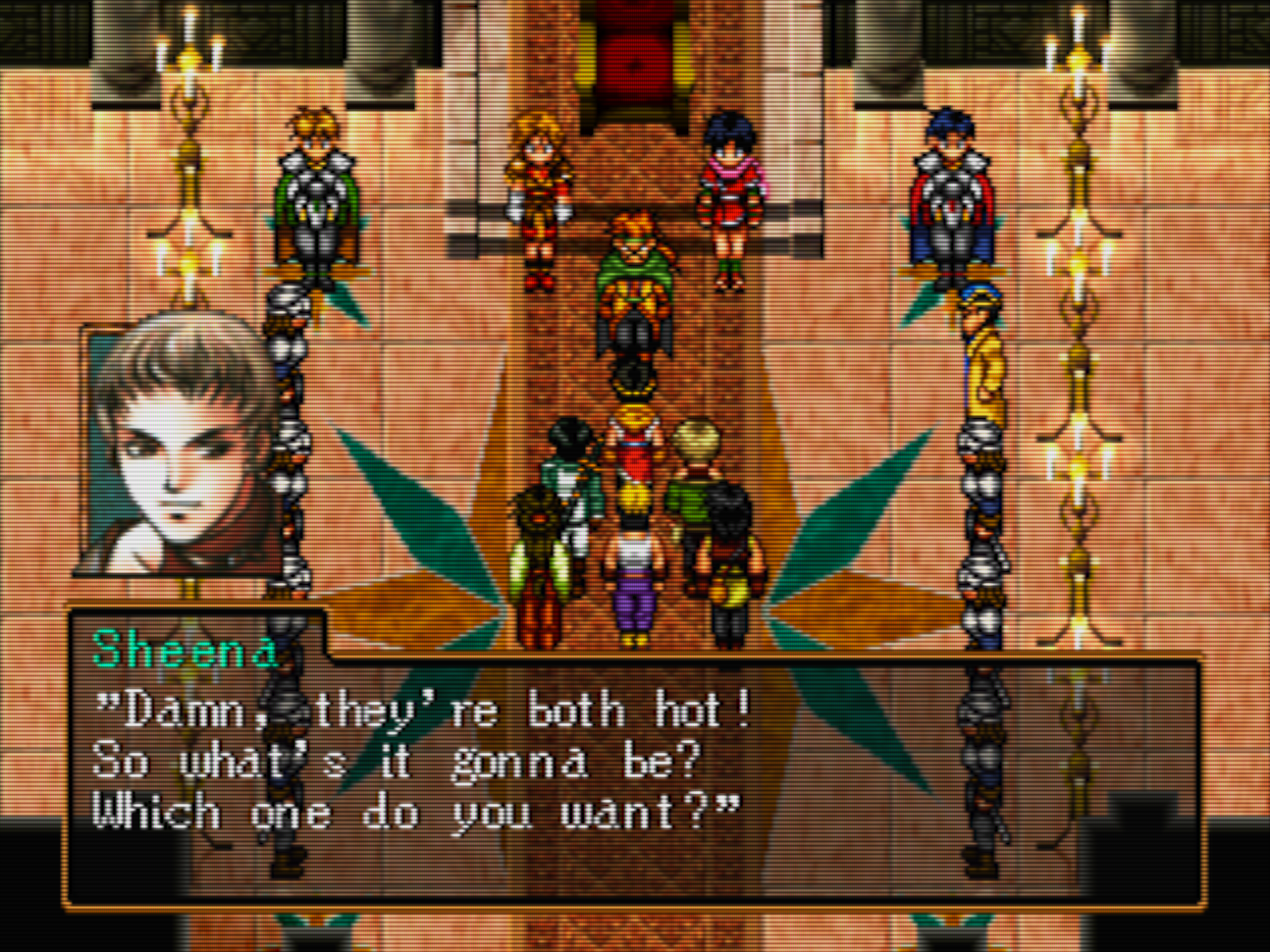
Decisions, decisions…
As you discover new towns and regions, you’ll begin to meet characters that can be recruited. Some will join you as part of the intended story (and some of the Stars of Destiny will even return from the first Suikoden!), but many more will need to be found through exploration. The game rewards you going off the beaten track, as you’ll sometimes find potential allies in the most unassuming of places. Some of these encounters are time-sensitive too, so there’s a huge amount of replay value and incentive to backtrack or chat to NPCs to find one of the Stars of Destiny.
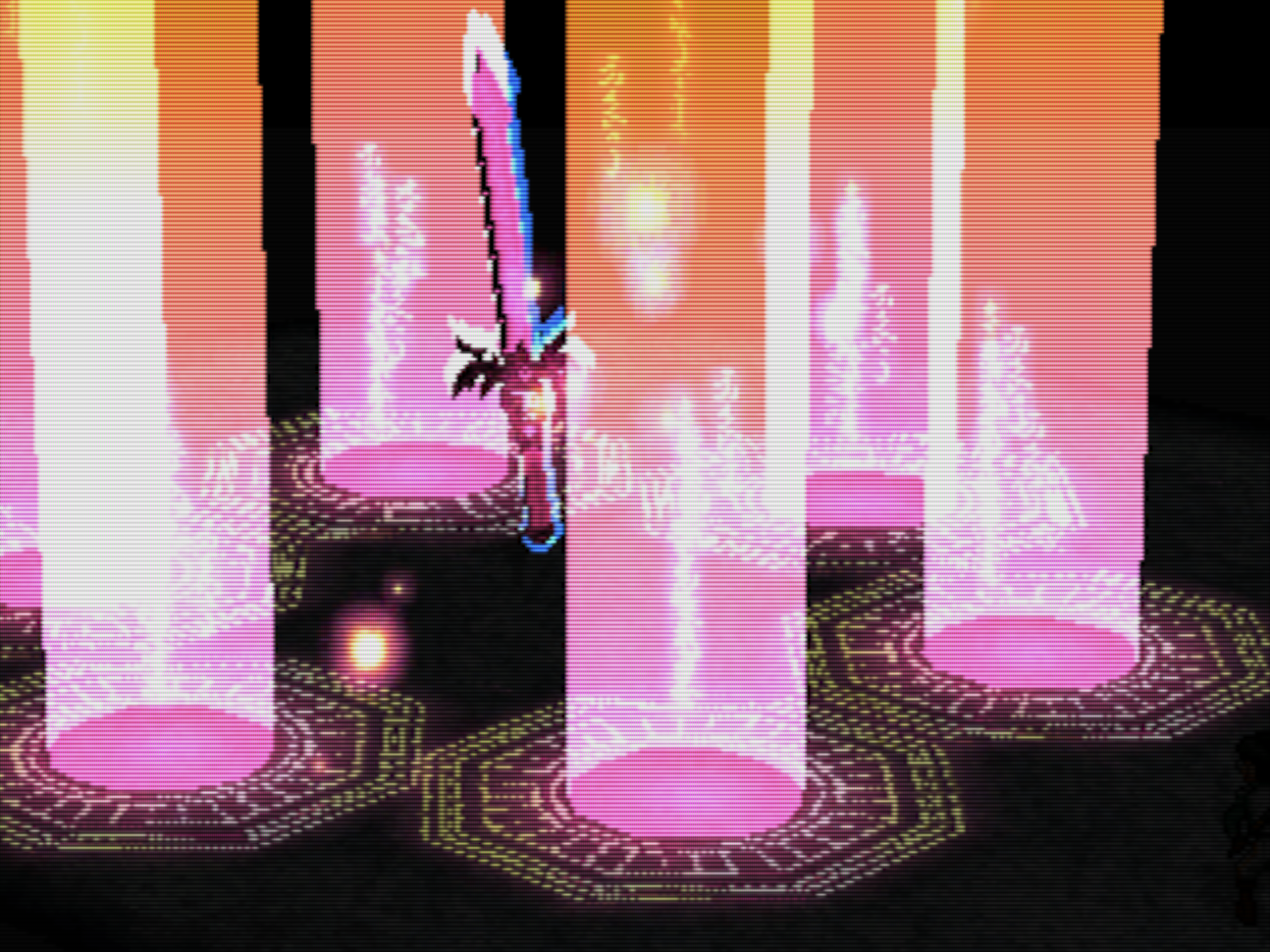
Special attacks and magic attacks have some ace special effects.
Of the recruitable characters, some will be party members that can fight alongside you in the turn-based battles, but many will contribute in other ways. As stated before, you’ll be building an army and headquarters. Beyond just soldiers, you can also recruit chefs, farmers, doctors, sailors, librarians and more! All of these characters will be able to help improve your castle and support your army. An example is finding a chef; once he’s part of your force, a part of the castle that was previously abandoned will turn into a restaurant. Visit the restaurant and you can buy food that has healing and other effects when used in combat. Not only this, but bring that same character new recipes that you find around the land, and new foods will unlock! There are multiple characters like this to find, each with their own collectibles and unlockable abilities. Beyond just helping you out in gameplay, it makes the game world feel very alive and builds that sense of ‘home’ in your army’s headquarters.
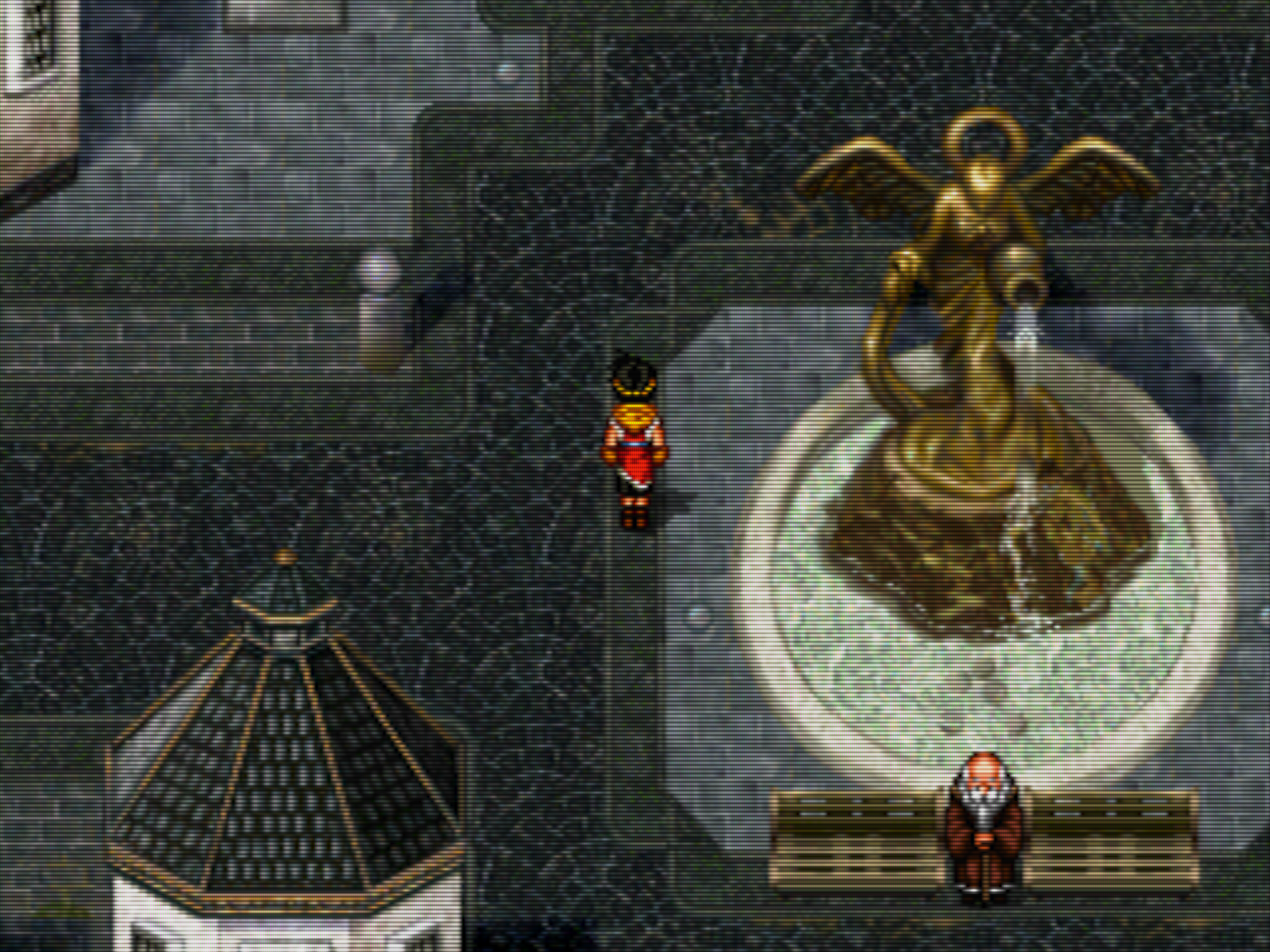
Each town and region has its own distinct feel and look.
Depending on how many characters you’ve managed to recruit, the ending of the game will change too, with the true ending only being unlocked when you find all potential team members. Regardless if you find them all, each character is given their own little epilogue at the end of the game, and it’s truly nice to see how each has been affected by the events of the war.
Suikoden was highly praised for its story, and the sequel manages to continue the exceptional quality standard. The characters are all unique and varied, the plot is intriguing and there’s some genuinely emotional moments in the game. Taking place over a large number of regions, you’ll visit dozens of locations that will change over the course of the war. Towns will be sacked, change sides and as you unlock new modes of transport you’ll find new regions that were previously unavailable to you. It really does feel like an ‘epic’ in that you can see the effects on the land as well as the characters, with varying looks and feels to the different locations driving home the fact that you’re travelling far and wide.
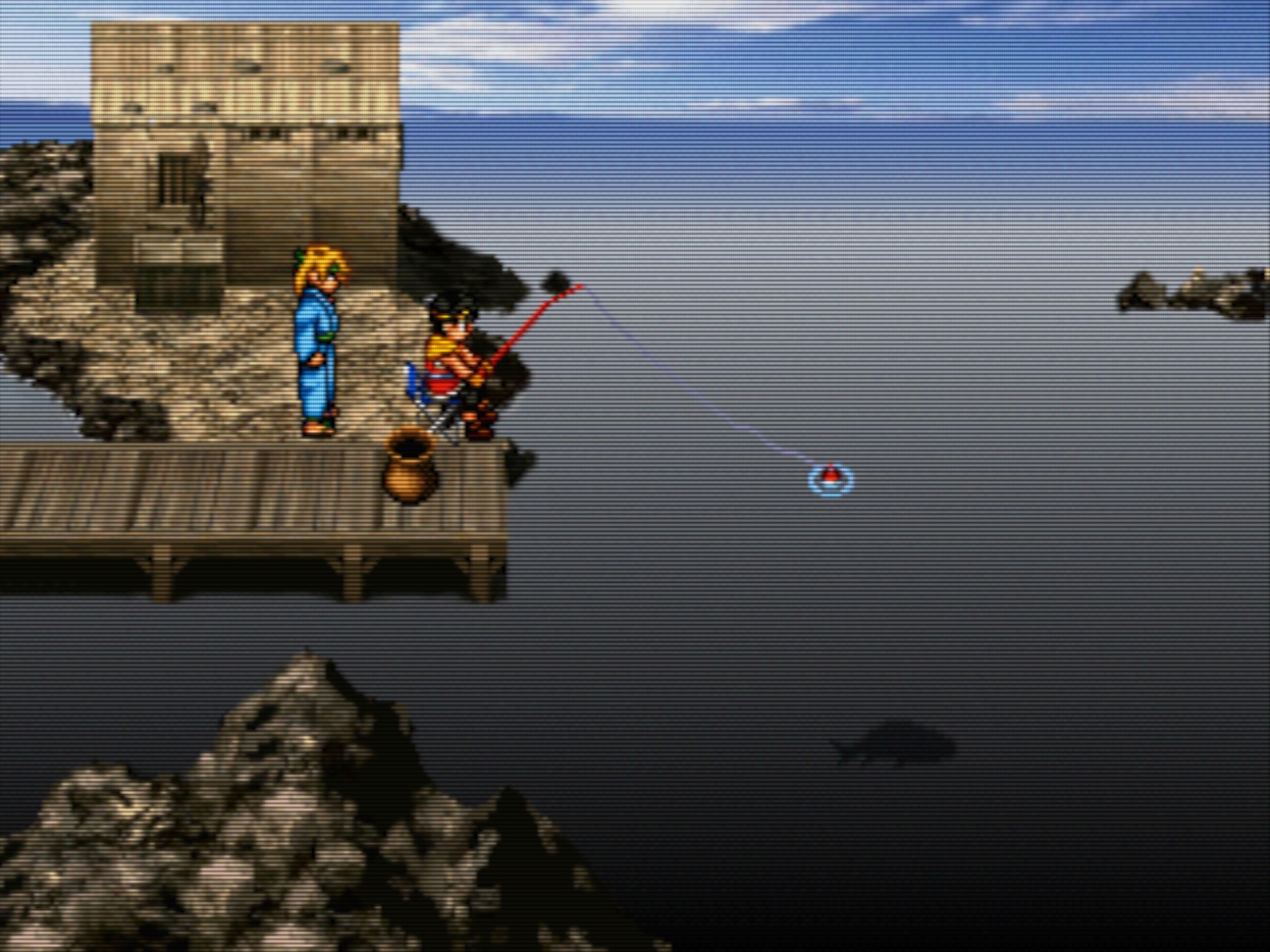
Even heroes need a break… at headquarters, certain characters will let you go fishing, whack some moles, or even do a bit of gambling.
This is complimented well by the beautiful art direction of the game. Despite minimal use of 3D in a generation of gaming that was heavily focused on the potential of polygons, the game has some gorgeous visuals thanks to the beautiful sprite work. Detailed characters, portraits and beautiful locations are all on display thanks to the talented artists and consistent direction. The game often has a sombre tone to it, and the story and art tell a very mature story. There’s a strong sense of friendship and long term ties to homeland and family, threads that run through the entire game.
From the opening introduction the tone is apparent, with Riou and Jowy shown growing up together as children and telling the story of their lives leading up to the breakout of war. This is all told with a sepia tint introduction, accompanied by a stunning piano track. Miki Higashino was the composer for Suikoden II and was inspired by various cultural music styles around the world, using different styles for the different regions of Suikoden II’s map. You’ll find yourself recognising different areas for their music as much as their visuals, and you’ll be discovering new songs throughout the entire game. The soundtrack is one of the most lauded features of Suikoden II and it’s easy to see (or hear) why.
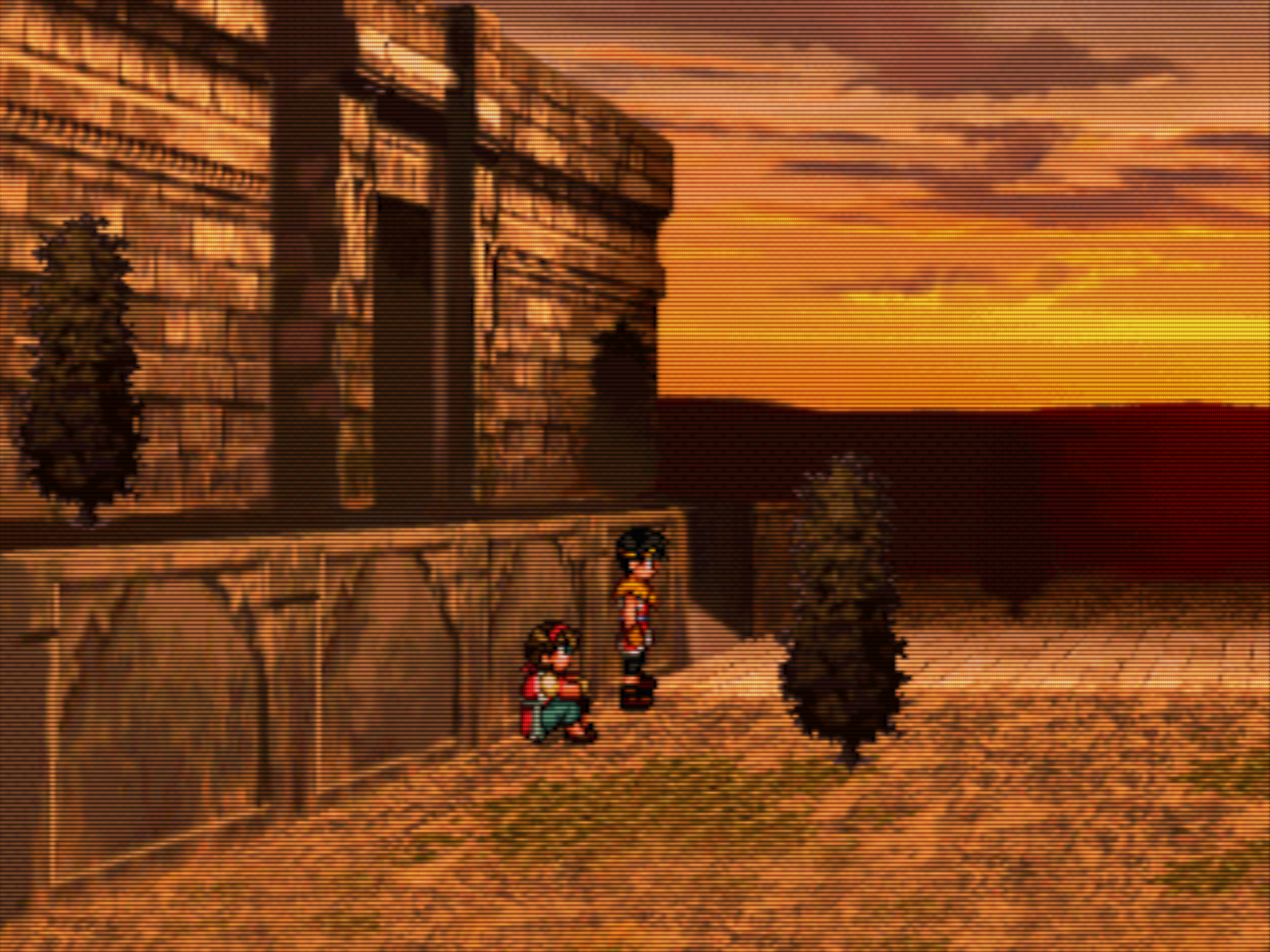
There are some truly beautiful scenes in the game.
Suikoden II, for all the praise that can be lavished on the game, was not a commercial hit. The game received only a limited print run, and was generally overlooked by the gaming public due to the emphasis on 2D graphics instead of the more spectacular 3D visual effects that were being displayed in 1998. Regardless of sales, the game would receive positive reviews from critics, and the love for the game would only grow over time. Suikoden II is now considered one of the finest RPGs ever released for the PlayStation, no mean feat considering the sheer number that came out for the console. Beyond that, it’s also regarded as possibly one of the best games in Konami’s library. Suikoden II eventually received the love that it warranted over the years, and remains a game that is worth seeking out and discovering (or even re-playing), decades after it was initially released.
Suikoden II is a game that really comes together perfectly. Even if you’re not a JRPG fan, the charm of this game is hard to resist.