No, Shenmue was not the first ‘AAA’ game.
‘Triple A’, ‘AAA’ or even ‘Triple AAA’ (for those with poor writing skills or a love of trolling) is a pretty vague and ultimately marketing focused description for a video game. Lately there has been some discourse online that the first game in history that could be classified as ‘Triple A’ is the famous (infamous?) Shenmue. A game as notorious for its massive budget as it is for its polarising nature among gamers. For the record, I absolutely adore Shenmue and Shenmue II and even downright tolerate Shenmue III, such is my love for the series. Having said that, I am in disagreement with those who claim that Shenmue is the first video game that could be classed as a ‘Triple A’ game.
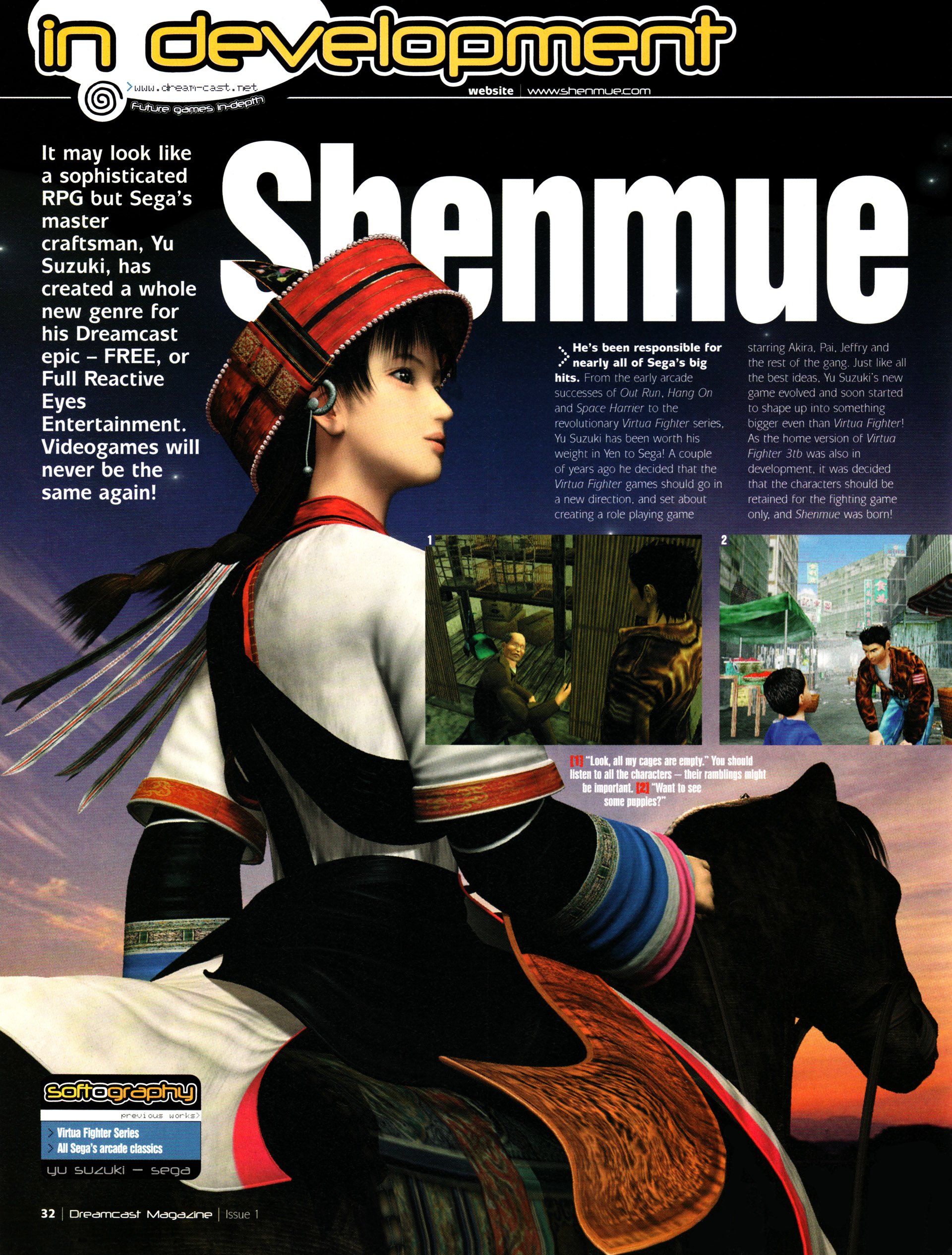
“Videogames will never be the same again!” - A bold claim from Dreamcast Magazine #1
But first, what does ‘Triple A’ even mean? I always suspected the term was an offshoot of the film term ‘B Movie’. B Movies low budget films, created with the intention of being the second film in a double feature. In time, it came to mean low-budget movies in general. I figured that ‘Triple A’ games were originally meant to imply the opposite, with a bit of extra marketing fluff on top; “Not only is this an A-Game, this is a Triple A Game!” said the marketing executive, before slicking back his pony-tail and doing a particularly long line of cocaine. Having looked into the origins a little more, it’s more likely adopting the term from credit rating agencies, whereby ‘AAA’ is the highest mark available to a bond. This means it has the lowest risk and the most stable returns. This sound plausible, especially if the term was originally coined by publishers to push their games to retailers. The game is a ‘safe bet’ and is likely to sell well due to perceived quality and a big marketing campaign from the publisher.
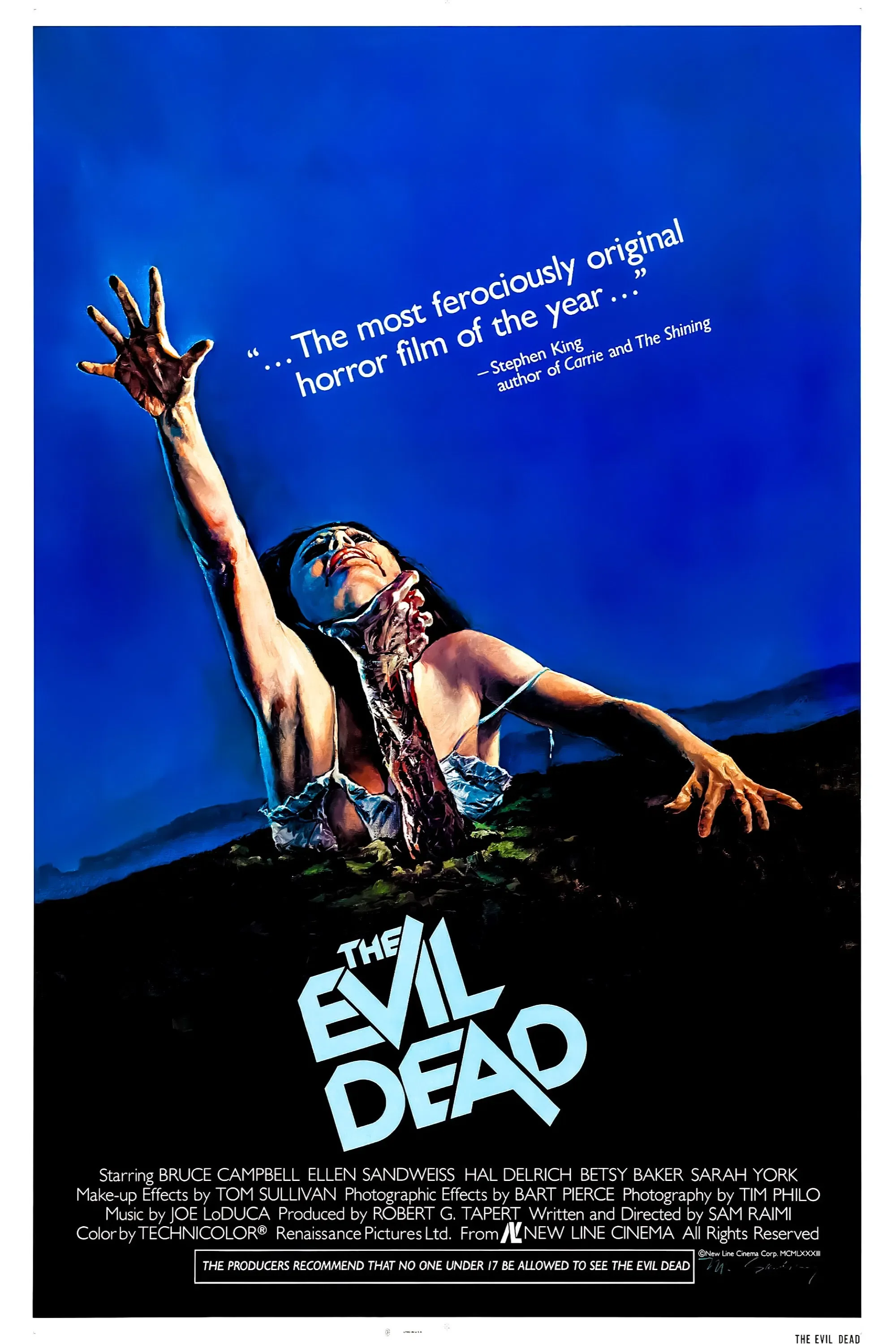
Not all B-Movies are bad. Much like gaming, a big budget doesn’t always correlate to an enjoyable time.
Like most terms, ‘Triple A’ has probably come to mean different things to different people over the years, and while I do believe Shenmue is an important title in the history of gaming, I don’t think it can be fairly held up as the ‘first’ of ‘Triple A games’.
We can’t go further without touching on the budget of Shenmue. No doubt, it was a very expensive game for the time. Early reports stated that the game had a budget of close to US$70 million (adjusted for inflation, it would be roughly US$135 million today. Ouch. Was 1999 really that long ago?). Director of the game, Yu Suzuki, has since come forward to say that the actual budget was probably closer to US$47 million (~US$91 million today). Still a princely sum. Is this enough to qualify it as the first ‘Triple A’ title though?
For one thing, what’s the cut-off for the distinction? Can the game simply cost more than the average title of the time, or is the risk of bankruptcy for the publisher a requirement? Games had big development and marketing costs, even comparable budgets to Shenmue, long before Sega took a gamble on Suzuki’s dream project. Even just two years prior to Shenmue, the PlayStation hit Final Fantasy VII had a budget that supposedly was between US$80-100 million in 1997 (an eye-watering US$160 million today). Yes, this figure includes marketing costs, but so does the supposed US$47 million for Shenmue.
Final Fantasy VII’s massive budget isn’t too surprising considering this was a game that Sony would publish themselves outside of Japan, and pushed the title with a very heavy marketing campaign. If Sony had one thing in the late 90s, it was deep pockets.
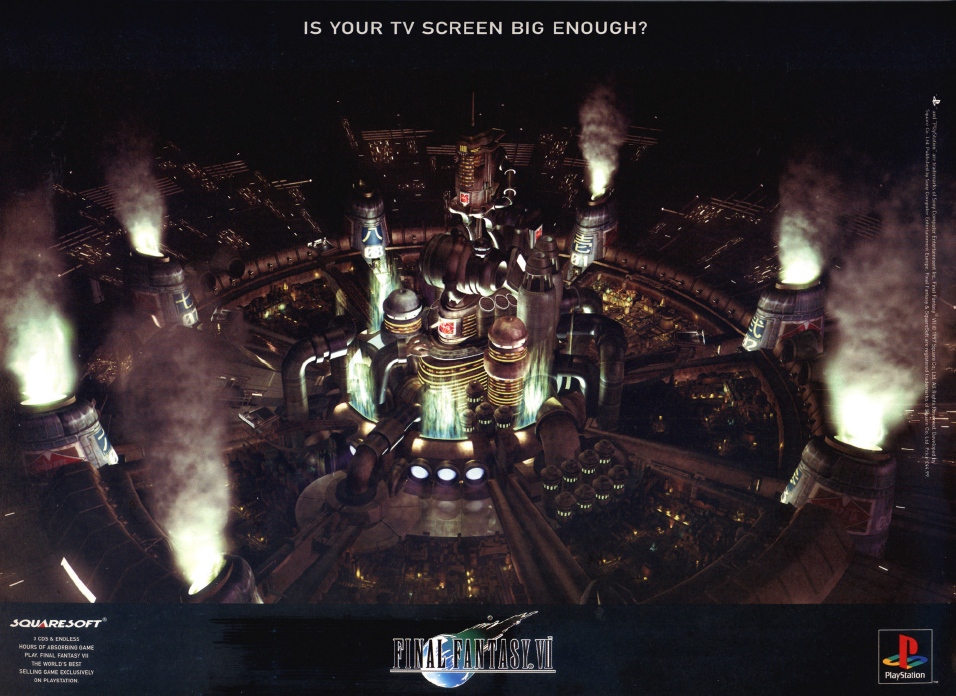
A magazine ad for Final Fantasy VII in 1997. The reach of Sony’s marketing campaign for this game would reach a massive audience.
Even Sega themselves were not shy of spending big money on games before Shenmue, with the Mega Drive/Genesis release of Sonic & Knuckles having a contemporary estimate of US$45 million in 1994 (~$98 million today) for the marketing alone (https://web.archive.org/web/20150918185341/http://articles.latimes.com/1994-10-15/entertainment/ca-50485_1_video-game-technology). Again, this isn’t too surprising as we’re looking at Sega’s most popular console in the Mega Drive, and the most popular franchise in something of a swan-song before Sega would transition to the Saturn console. It was also a title that involved some significant hardware redesign with the unique ‘lock-on technology’ on every cartridge.
Yes, Shenmue was a very expensive game, and perhaps when unadjusted for inflation it was the most expensive game of all time when originally released, but even then it would be a very, very close race with Final Fantasy VII, even with the initial figure of US$70 million.
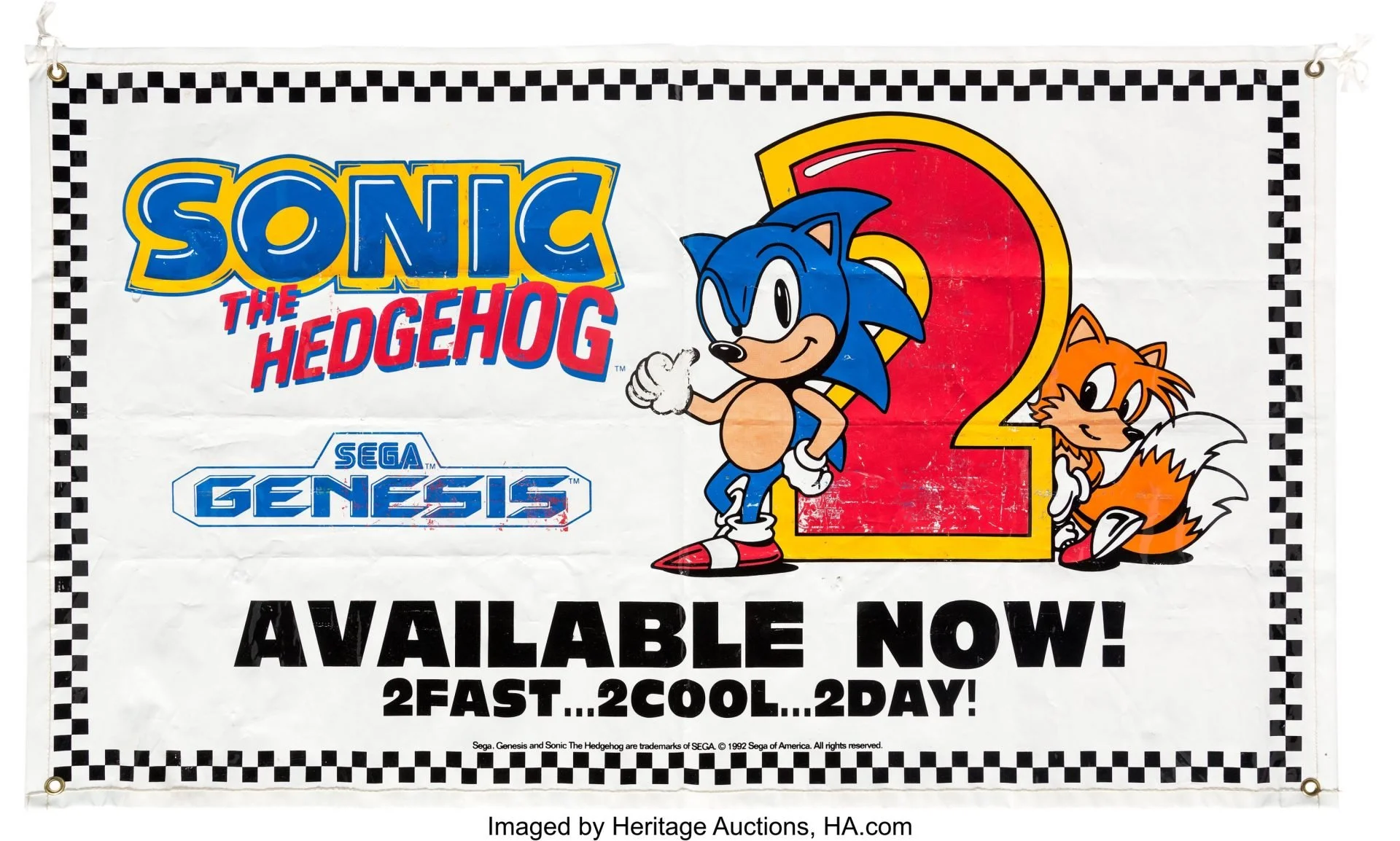
Even though Sega’s creditors would disagree, ‘money isn’t everything’. Is the mark of a ‘Triple A’ game the cultural impact or the reach of the marketing and reception? Is it a “Je Ne Sais Quoi” around the release that makes it special? Maybe so, but once again I think that Shenmue has been comfortably beaten to the post by several other titles in this regard. I’ll go back to Sonic for this one, this time 1992’s monster sequel Sonic the Hedgehog 2. While we take it for granted these days, it was unheard of at the time for a video game to have a ‘release date’. Games had an approximate release date, sure, but they would be on shelves as soon as the retailers received their stock. There wasn’t an embargo or agreed day and date that the game would go on sale nation wide as is the norm now.
This changed with Sonic 2 on November 24th, 1992. A day known as ‘Sonic 2sday’. This is perhaps the earliest example of a major publisher setting an international and coordinated release day for a game. While the game launched a few days earlier in Japan, Sega had to change their distribution methods, air-freighting copies to retailers in some situations, to ensure that the game would have an ‘event’ launch. This kind of thing is common now, but was a major undertaking in 1992. The result was a simultaneous launch on November 24th, giving the game a blockbuster movie feel for the release. If we want to talk about cultural impact or ‘big release feel’, then Sonic 2 comfortably fits the bill.
Sonic wouldn’t be the only franchise that saw this kind of treatment in the early 90s though, with another major example coming just a year later. September 13, 1993 was Mortal Monday. The release of the wildly popular Mortal Kombat on home consoles. The game was released simultaneously on multiple consoles on that day, including the Sega Mega Drive/Genesis and Nintendo Super Entertainment System. The launch day even had its own trailers aired on TV, yes, complete with that iconic ‘Mortal Kombat!’ scream.
There’s another non-tangible, non-measurable factor that people use to judge if a game can be considered ‘Triple A’ or not; polish. Polish can mean a lot of things, but it’s very hard to justify Shenmue as being somewhat unique compared to its predecessors. Looking at 1998 alone (and why wouldn’t we, check the url) we have titles like The Legend of Zelda: Ocarina of Time, Half-Life, Metal Gear Solid and Resident Evil 2. There’s more I could list, but as far as mass-appeal, big budget games go, here’s just a handful that display levels of care and polish equivalent to Shenmue.
Shenmue claims some very remarkable features such as the sheer volume of voiced NPCs, in-game weather changes and mind-blowing graphics. How can that be weighted against something like Half-Life’s innovative level design and structure, or Resident Evil’s unique ‘zapping system’? While Shenmue has a wealth of voiced NPCs, does it match the amount of voice acting (or the quality of same) in Metal Gear Solid? How big is Shenmue’s open world compared to Ocarina of Time’s? These games are often more than the sum of their parts, and as I said, it’s difficult and probably meaningless to quantify or measure these things. I don’t think anyone could argue that games before Shenmue didn’t have the same level of, for want of a better word, ‘soul’.
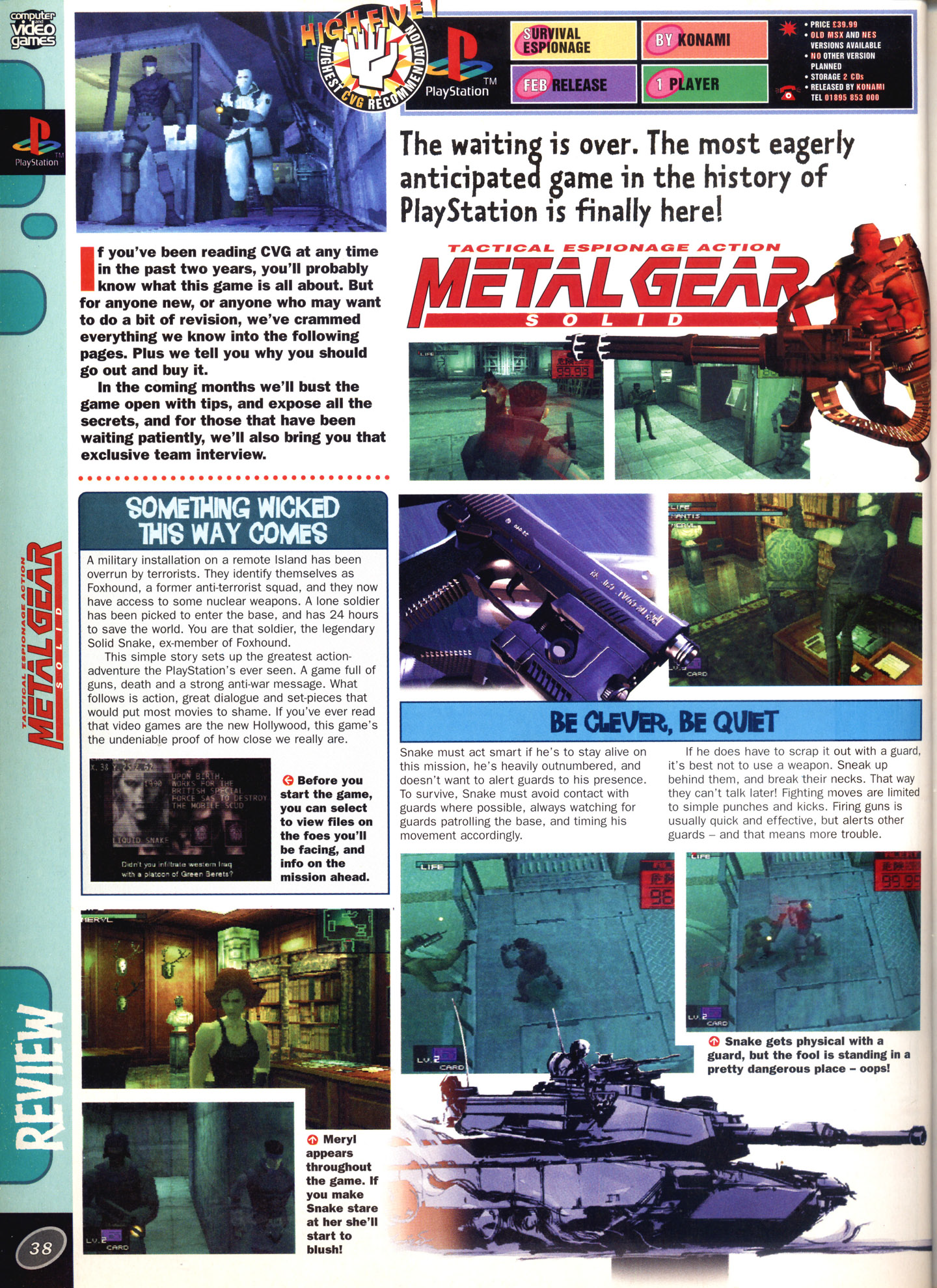
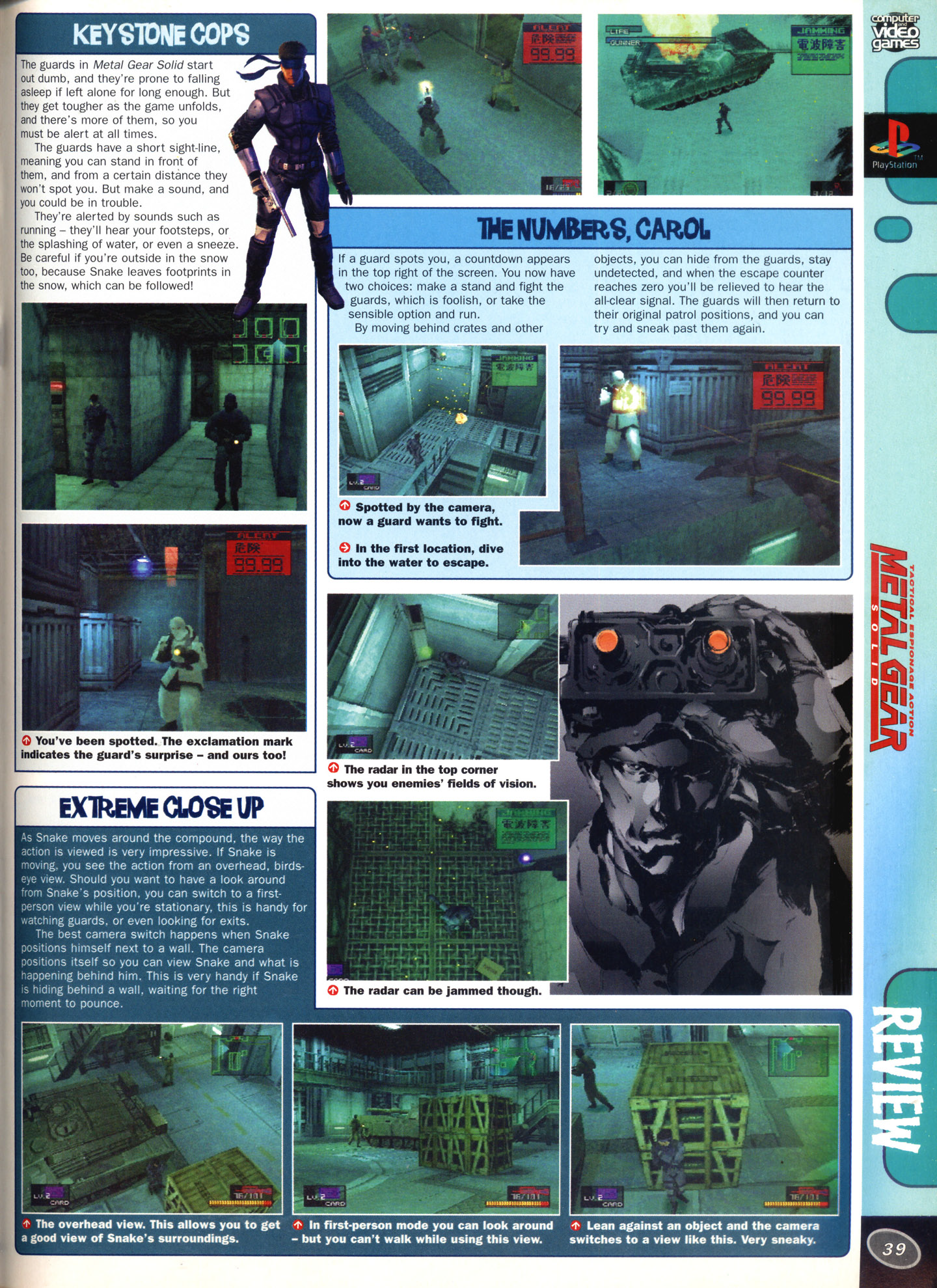
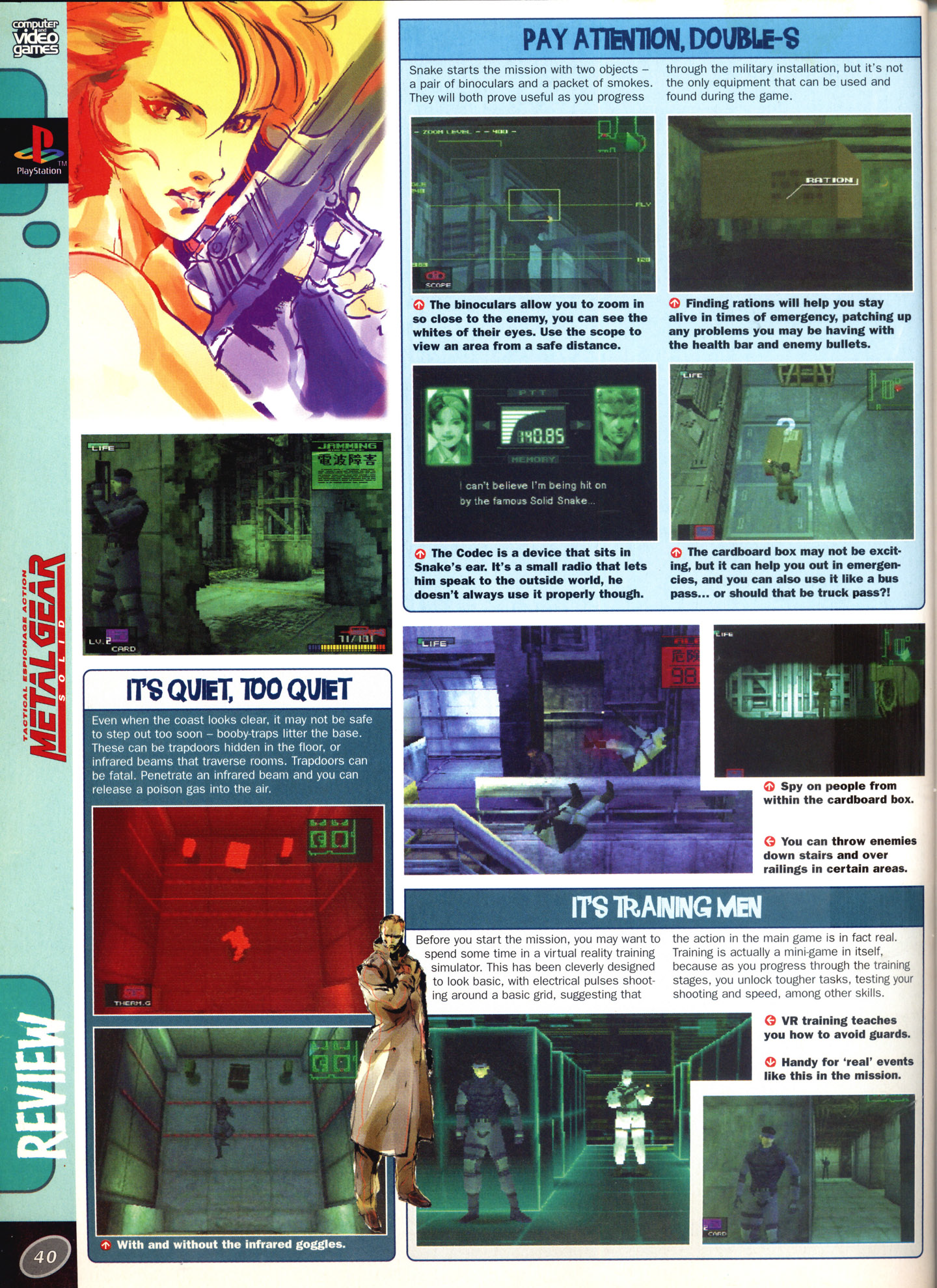
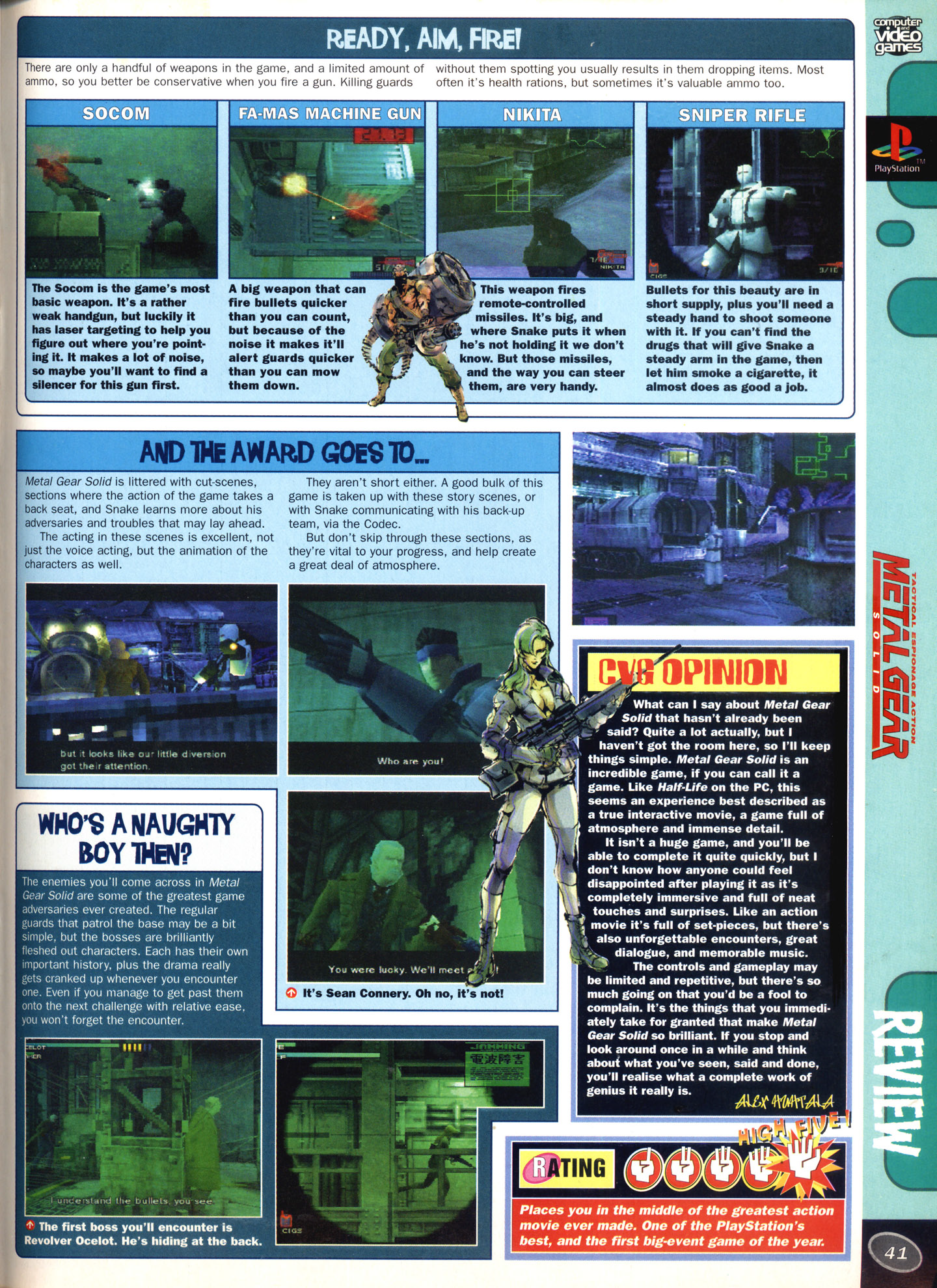
A review of Metal Gear Solid from CVG #208 describes it as the ‘first big-game event of the year’. A ‘Triple A’ title by another name?
I also want to take some time out to acknowledge that more focused, or more niche games tend to get overlooked in discussions like this. I have leant into big, singleplayer, story focused games in this article for a reason; they tend to get the lion’s share of attention when compiling lists like this. I argue however that just as worthy of discussion are titles that are particularly good examples of other genres. I mentioned Mortal Kombat already. It’s an interesting note that the director of the (still) unnamed Virtua Fighter sequel had to point out that they’d like to win ‘Game of the Year’ and that it would be unusual for a fighting game to win. Dubious nature of game awards put to one side for a moment, it is definitely true that multiplayer focused, or otherwise niche games can often be overlooked as ‘Triple A’ or ‘Game of the Year’ contenders.
I would argue that Railroad Tycoon II or Virtual On: Oratorio Tangram deserve equal praise as something like Metal Gear Solid as a game of 1998. While it might not be as cinematic, Railroad Tycoon II is a treasure trove of deep, compelling gameplay to anyone with a love of trains and sims, and Virtual On is an incredible competitive multiplayer title that is quite unlike anything else. Is it that we still associate the quality of a game with how well it can imitate a movie? Or tell a story? I think that’s a mistake, as games are a very rich and varied genre with the interactivity being just as, or perhaps more important, than story, graphics and sound design.
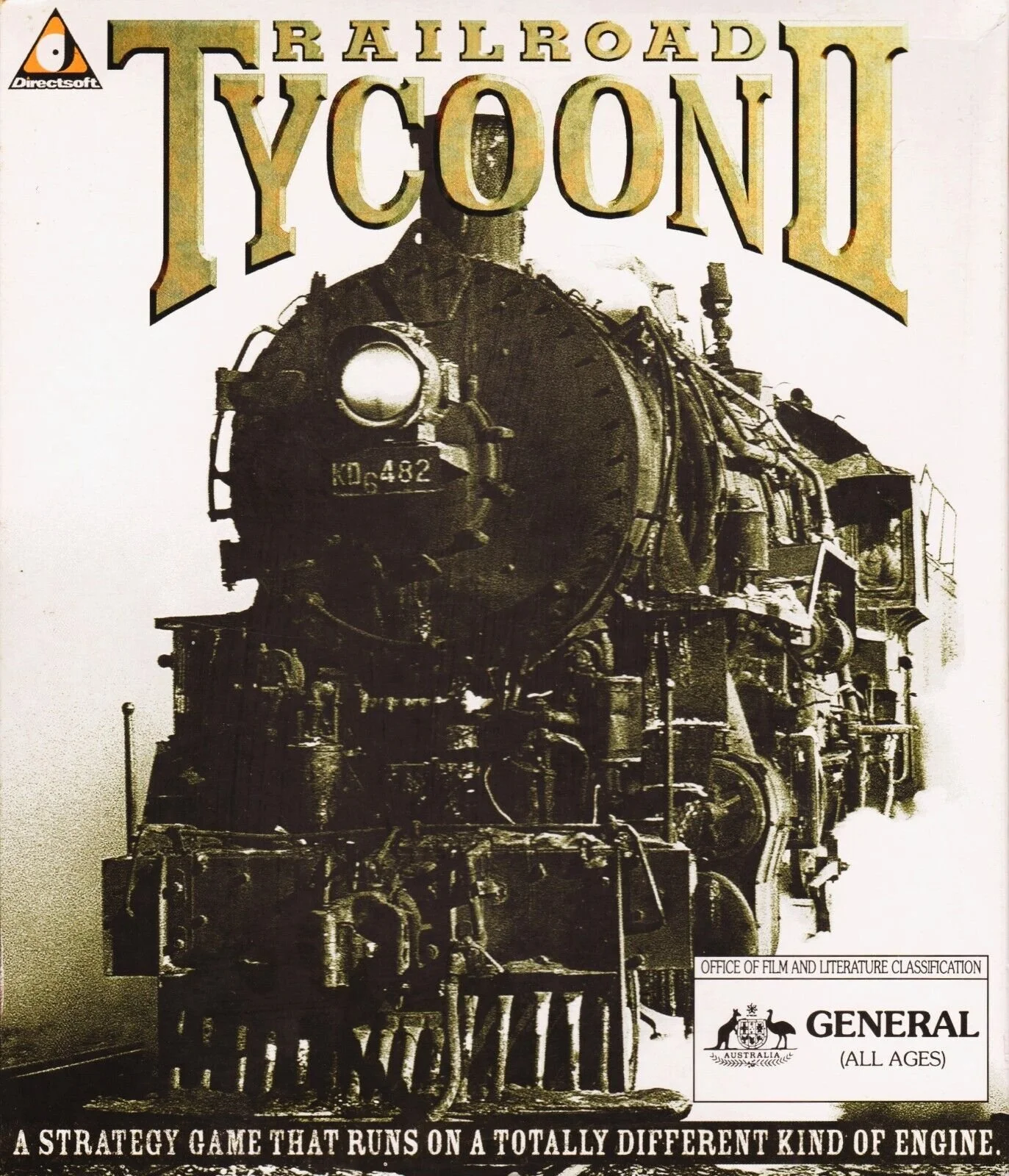
It might not have the same mass appeal as an action movie, but for train or simulation enthusiasts Railroad Tycoon II is an incredibly high quality title.
The earliest documented use of ‘Triple A’ that I can find is in fact from 1998, for Sonic Adventure in Electronic Gaming Monthly. The game is described as a ‘Triple-A mascot title’ (I promise, I’m not going back to the Sonic series on purpose). Sonic Adventure also shows the hallmarks of other titles mentioned here, cementing it as a ‘Triple A’ game. While there are multiple places that claim the term ‘Triple A’ had originated earlier, I couldn’t find anything in writing prior to this particular issue of EGM. If it was indeed a trade term more than a customer facing one, it’s possible that the phrase was being used long before Sonic Adventure or Final Fantasy VII (another title often associated with being the ‘first’).
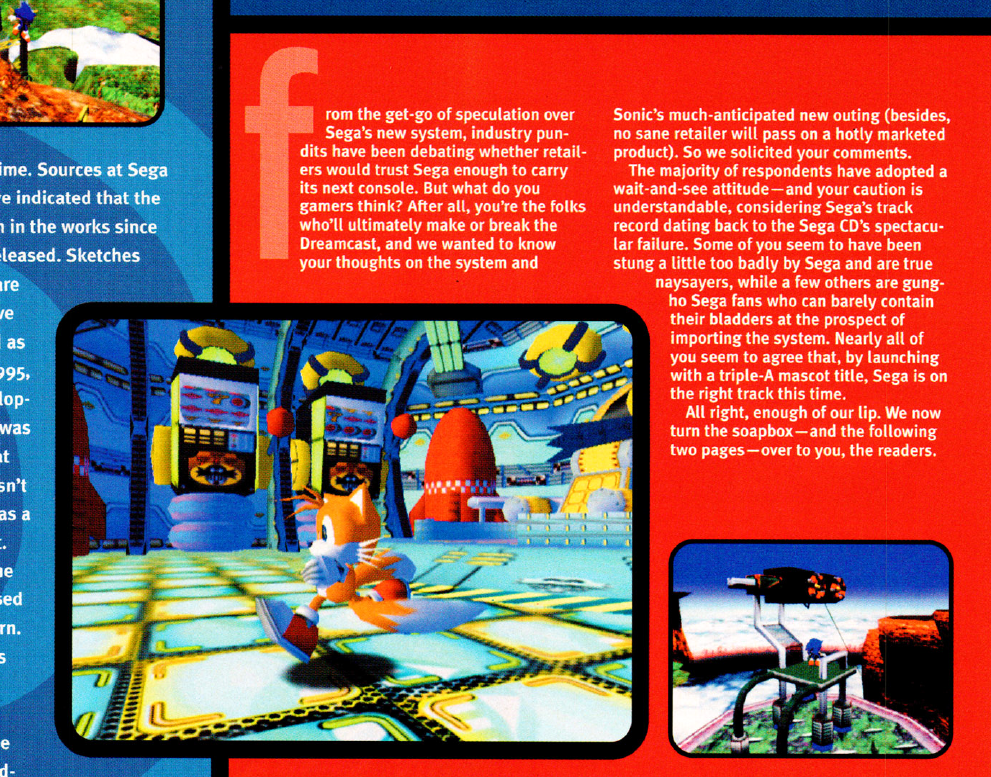
From EGM #112, November 1998; this is the first example of ‘Triple A’ in print that I can find.
The truth is, the phrase is probably much older than most of the gaming public has been aware of. The other big truth is, it’s probably less meaningful than we think. ‘Triple A’ was likely intended to make a retailer feel safe about buying up large quantities of the game, knowing that the sell-through would be strong and supported by marketing campaigns or a big name IP. The quality and end-user experience was an afterthought. Even today where the term has become more ingrained in the ‘gaming culture’ (for want of a less cringe term), it’s still pretty nebulous. Is it just a big budget? Is it something that has mass appeal? Is it a certain level of quality (and how do we define quality anyway?)?
Ultimately it shouldn’t matter to the players so much as the game meeting and exceeding our expectations for enjoyment. Many of the games I cover on this blog would never have been considered a ‘Triple A’ title at their development stage, or even at their release. Some of them probably never will be. Nevertheless, they are all of exceptional quality and deserve to be played, much like your favourite game whatever that may be.
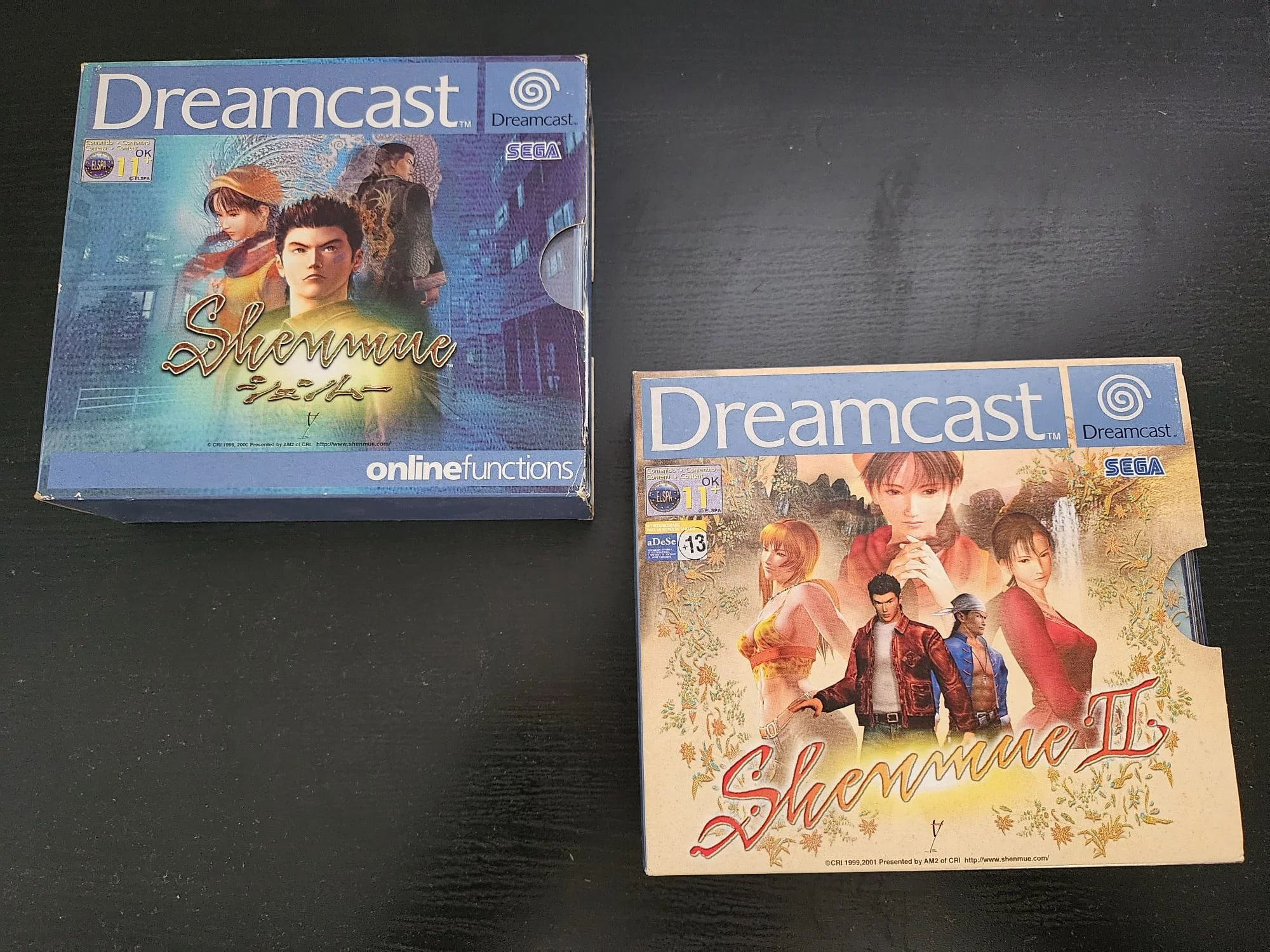
My beloved and much-played copies of Shenmue and Shenmue II for Dreamcast.
Maybe not the first Triple A games, but still two of my favourites, and ones that I recommend everyone try.